Showing posts with label property manager. Show all posts

Monday, February 19, 2018

Why Should You Use a Professional Property Manager?

There is lots of work that goes into running an effective HOA, and much of it is done by volunteers. It can be a lot for volunteers to deal with, so hiring a professional management company can really be a positive asset. The role of property management companies in HOAs is to provide necessary support and help ensure the community is well-managed and enjoyed by all.

Some HOAs choose to self-manage, but many have turned to property management companies upon realizing how much they can benefit from this partnership. It can be well worth the investment if you do your research and find a reputable company that can meet your needs. 


Here are just a few benefits of working with a professional property manager:

Knowledge. Many boards lack experience when it comes to finance and record keeping. Professional managers have a wealth of knowledge regarding HOA management and all of the requirements that go along with it. They can connect the HOA with training and guidance to improve their knowledge and skills, while also handling many administrative tasks.

Added Resources. Property management companies work with a variety of clients with different needs. They have built connections in the community and can recommend contractors for landscaping, pest control, construction, repairs and more. This can save the HOA time and allow the board to contact several reputable companies for bids instead of having to search through dozens of listings on its own.

Clarity and Consistency. HOAs run more smoothly when rules and regulations are clear, concise, and consistently enforced. A property manager can review documents to ensure they align with the law and help to correct any inconsistencies, confusion, or potential violations. Homeowners can have peace of mind knowing that rules will be enforced fairly across the community and problems will be addressed in a timely manner.

Support. Property managers can take on many of the day-to-day responsibilities of running an HOA and free up board members to focus on more important issues. This can  allow decisions to made more quickly and efficiently since more time can be devoted to planning and discussion.

Guidance. Board members are volunteers, and many do not have previous experience running an HOA. Even if they have sat on the board for a few years, there are always new issues that arise that they may not be sure how to handle. A property manager can provide guidance on resolving problems, making clearly defined rules and regulations, and executing decisions and projects.


If your HOA could use additional support and guidance to help boost its operations, communications, and relationships with homeowners, contact Premier Property Management Services, LLC today. Discover the benefits of a strong partnership with a high-quality, professional property management company.

Wednesday, October 19, 2016

New System Puts Association Info at Your Fingertips!

Our new system was designed BY association managers and bookkeepers FOR association managers and bookkeepers. That translates into an intuitive interface, user-friendly screens, and clear workflows. NO tech jargon, just really approachable property management software that helps us work for our customers! We're in the process of moving all of our clients over to the new system right now ... in the meantime, check out these screen shots of the new Board Portal:


Friday, September 30, 2016

What Can A Website Do for Your Association?


Simple answer: A lot!

A website helps residents feel like they’re a part of the Association by keeping them informed of meetings, projects, etc.


When residents don’t hear about their Board’s progress, it makes it easier for them to complain! A regularly updated website gives residents no excuse not to know what’s happening and how the Board is working to make things better. It can also help residents understand the purpose and benefits of enforcing the rules, keeping their homes in good condition and voting on issues. 

A website is also a great place to store things like meeting minutes and condo docs. Being able to pull up these documents quickly is a great tool to have at meetings and to save research time … if someone has a question, refer them to the website, where they can find the information right away.

Some other things that you might consider adding are an events calendar, a link to online work order submission and a list of units for sale. The great thing about a website is that it can start small and grow along with your Association!


If your Association is ready to create their website, Premier can help! Give us a call at (860) 523-0157 today. 

Monday, March 28, 2016

Spring Maintenance Tips

Spring is here, and it’s time to start doing some maintenance work on your property to undo the damage from winter! 


Here is a list of the basics:

Check the roof. Snow, ice and rain may have created leaks, now’s the time to check.

Clean and inspect gutters to ensure they can handle spring rains.

Repair building facades. If the cold weather has caused any part of your building exterior to deteriorate, fix it now before spring wind and rains cause additional damage.

Reinsulate. The fluctuating temperatures of winter can cause the caulking around  doors and windows to crack and fall away. Check these seals, recaulk if necessary.

Clean the common areas. Now that snow, sand and salt is gone, give the carpets a thorough cleaning.

Repair the sidewalks and parking lot. Inspect for broken curbs, pot holes, cracks and other damage and tripping hazards.

Landscaping. Start getting garden areas and grass up to shape by removing debris and raking out excess sand.

Follow these tips, to get an early start on the spring season and keep your property in optimal condition!

Monday, February 8, 2016

Frozen Pipes – Prevention & Solutions


From the looks of the snow piling up outside, it appears that winter has finally arrived in New England! If you’re considering taking a trip to a warmer climate or turning your heating off to save money, here are some things you should know:

It Starts with Prevention

  • Insulate your Pipes – especially if they’re on outside walls, attics or crawlspaces. The more insulation, the better!
  • Wrap Pipes – Use heat tape or thermostatically-controlled heat cables. Make sure to have them professionally installed by a licensed contractor.
  • Seal Air Leaks – Cold air can enter around electrical wiring, dryer vents and plumbing and through door and window seals. Check caulking and weather-stripping regularly and replace anything that’s old and cracked.
  • Keep Exterior Doors & Windows Tightly Closed – Seems obvious, but we had to mention it!
  • Turn Off Outdoor Hoses – Put away hoses and turn off the water supply to hoses and sprinkler systems.
  • Allow Warm Airflow into Unheated Utility Rooms – Make sure that warm air can get into your utility room if it’s in an unheated area.
  • Let the Water Run – If you must leave the heat off, leave your faucets running at a trickle if they’re on outside walls.
  • Know Where Your Shutoff Is – In case of an emergency, you should always know how to turn off the water supply to your unit.
If the Worst Happens
 
If you turn your faucet on and nothing comes out, turn off your main water supply, leave the faucets on and call a plumber right away. Never try to thaw frozen pipes with a blowtorch or other open flame. You can try a hairdryer on a warm setting, working from the faucet toward the colder section of the pipe. If a pipe has burst, be aware of the risk of electrical shock – stay away from any standing water.

We also suggest having a neighbor, friend or family member check on your condo or apartment if you’re going to be away for an extended period. Be sure to leave them with emergency contact information for you, as well as your property manager, plumber and electrician.


Thursday, January 28, 2016

Help Us Welcome Our Newest Team Member!

Premier is pleased to welcome Kristie Bonilla to our team! Kristie has been working in Property Management for the past 17 years, specializing in Sate and Federal Housing Programs.She is a graduate of Asnuntuck Community College and is currently pursuing a bachelors degree in Business from UCONN. She is fluent in Spanish. Kristie is ready to help you find a great apartment, give her a call today at (877) 208-4570.

Monday, November 30, 2015

New Property Manager

Premier is happy to welcome a new Property Manager, Cheryl Lallier, to our team. Cheryl started her Real Estate career in 1996 in New Hampshire. She worked with developers and banks, selling and managing Condominium properties. She holds a Connecticut Real Estate License and is currently pursuing a Certified Property Managers Designation. Cheryl lives in Somers on a horse farm with her husband and children. In her spare time, she does volunteer work for Saint Edwards Whole Child Academy in Stafford.  

Tuesday, November 17, 2015

Preparing Your Building for Cold Weather

As the last few years have shown, winter can be an unpredictable time here in New England. Some years, temperatures have remained fairly mild with barely any snowfall, while other years are freezing cold, with harsh winds and major blizzards. Regardless of what the weather decides to do, condo boards, managers and maintenance staff should make sure their buildings are ready — and that means taking care of seasonal winterizing tasks before the harsh weather hits.

Start Early
No doubt that winter is the hardest season of the year in terms of wear-and-tear on buildings. Ice collects in cracks and spaces between bricks and masonry and contributes to façade deterioration; salt stains and eats away at metal and concrete; colder temperatures mean higher heating and electrical bills.  


Windows
When it comes to water and cold penetration, windows are a definite weak point. Window frames and sashes should be inspected and repaired before winter arrives — preferably in the early fall. Caulking and sealant should also be checked, as it can become brittle with time. Cold and wet weather is less than ideal for working with these materials.
 

Also, the steel lintel—the piece of metal over every window head that supports the brick above the window—must be inspected. If allowed to rust, the lintels will eventually buckle and fail, causing the bricks above them to become loose and allowing water penetration and even more damage. Lintel inspections should be done with plenty of time before winter, because repairing them is a major task.  
 

Walkways
Cement can't be poured in the winter because of the cold temperatures, so paving pros recommend getting repairs done by October’s end to beat the freezing temperatures. 

Check for broken areas and cracks that could become tripping hazards when hidden by a dusting of snow.
 

Keep the Heat In
With energy prices high and many buildings watching their funds more closely than ever, conservation has become a serious concern for boards and residents as well. There are a number of measures that a building staff and individual owners can take to ensure that heat is staying inside the building. First, search for areas where heat can escape – windows and outside doors are big culprits. Check the gap between the bottom of the door and the saddle, as well as the gap around the door  frame. For a reasonable amount of money, you can weather-strip the door, not only to save money, but to improve the comfort level inside the units. 


Also, check the basement to make sure no air or heat is escaping. If your building has a boiler system, that should be cleaned and checked yearly as well.
 

During the heating season, building personnel should closely monitor fuel consumption relative to past consumption on similar-temperature days and address any large increases right away.   

Keep the Rain Out
A building's roof is another crucial component in its ability to resist the cold. Flat roofs should be prepared with an ultraviolet roof coating, preferably before October. The coating is a relatively inexpensive petroleum-based product that is painted onto the roof. It contains reflective silver additives and creates a barrier that will insulate your building and protect it against ice and snow. 


Additionally, roof drains should be cleared to prevent blockages that could cause icy build-up ... and possibly leaks.   
 

Pitching In
Residents can help prepare for winter by lowering thermostats just a few degrees (and perhaps installing thermostats with a timer feature), and alerting the super or manager of anything that needs to be repaired.  


Don’t wait until the cold weather actually arrives to start thinking about winterizing your building!

Saturday, September 19, 2015

ICE DAMS, INSURANCE DEDUCTIBLES, AND THE ALLOCATION OF REPAIR COSTS

By Scott J. Sandler, Esq.

On September 15, 2015, the Connecticut Condominium Owners Coalition (“CCOC”) posted an article by Patricia Ayars, Esq. titled Ask Attorney Pat: How to Get the Association to Pay and Repair Ice Damming.  This article depicts board members as stubborn jackasses in need of a good clubbing with a two-by-four, who are wrongly refusing to pay to repair units damaged by ice dams.  A more appropriate title for the article would have been How to Get Your Neighbors to Pay to Repair Damage to Your Unit that Should Be Covered by Your Insurance Policy.


Per-Unit Deductibles

The insurance industry is employing more and more creative methods to avoid having to pay claims.  The imposition of per-unit deductibles is one of these methods.

Insurance companies that sell master insurance policies to associations are now more commonly requiring that the policy contain a per-unit deductible for damage caused by ice dams.  The policy then treats each damaged unit as a separate occurrence. 

On a per-unit scale, damage from ice dams often costs less than the amount of the deductible.  However, because a large number of units may be damaged, the total repair cost that is not covered by the master policy can be substantial. 

Master Policies and Homeowner Policies: Primary and Secondary Coverage

Section 47-255 of the Common Interest Ownership Act (“CIOA”) requires the association of most communities to purchase a master insurance policy that covers both the units and the common elements against claims for property damage.  CIOA does not require the association to insure the units in communities where the units are completely detached, or where the units are constructed as duplexes.

Section 47-255 also requires that, in the event of a loss, the master policy provide “primary” coverage.  CIOA does not state that the master policy will provide “exclusive” coverage.  The distinction between primary and exclusive is one of major significance, and it is one that is often overlooked.

Most individual unit owners have purchased their own insurance policies.  These policies provide for coverage for damage to the unit, as well as coverage for the owner’s personal property.

When there is damage to the property, the master policy provides primary coverage.  This means that the association must first look to the master policy for coverage. 

However, nothing in CIOA prohibits the association and the owners from seeking secondary coverage from another source of insurance, such as the insurance purchased by the unit owner.  And doing so makes perfect sense, since the coverage is already in place and is designed to protect the owners from bearing the cost of repair.  The very reason unit owners pay insurance premiums is to protect them from this cost.

Repair Costs as Common Expenses

Section 47-255 of CIOA states that the cost of repair that exceeds available insurance proceeds is a common expense.

First, CIOA refers to “available” insurance proceeds.  The provision is not limited to just the proceeds available under the master insurance policy.  Proceeds may also be available under the owner’s policy.

Second, while common expenses are generally shared by all owners, there are a number of situations  where CIOA permits the association to assess an expense against just a few or even only one owner.  Subsection 47-257(c) states that the declaration of the community may require the following:

1. That the association assess the cost of maintaining, repairing, or replacing a limited common element solely against the unit that it serves;

2. That the association assess the cost of insurance against units in proportion to risk;

 3. That the association assess the cost of utilities in proportion to usage; and

4. That the association assess a common expense, or any potion thereof, that benefits less than all units, solely against the units that receive the benefit.

The cost of repairing a unit damaged by an ice dam is an expense that benefits that unit.  While that cost is a common expense, the declaration may require the association to assess that expense solely against the damaged unit pursuant to Subsection 47-257(c) of CIOA.

We Have Met the Enemy and They Are Us

Unit owners, including board members, are all too often subject to the “We vs. Them” mentality.  They forget the most important part of living in a common interest community, the part about it being a “community.” 

To save money, board members will identify expenses to push back onto individual owners.  Likewise, the individual owners will expect the association pay for anything and everything that is related to the good and welfare of the community.

The fact that gets lost in these competing views is that, in the end, there is only one source of income for the community: the individual owners.  Either the owners pay for expenses directly, or they pay common charges which the association uses to pay the expenses.  But no matter what, the owners pay.

Protecting the Community

If the association really wants to save the community money, and to insulate owners from the burden of uncovered repair costs, it must look for resources outside of the community.  That is why it is so important to tap into the insurance purchased by individual owners as secondary coverage.

Attorney Ayars focuses her article on forcing the association to pay for the cost of repairing damaged units.  That only results in costing all owners more money. 

The real focus should be on how to tap into sources of insurance other than just the master policy, so that more of the expenses are paid from sources outside of the community.

Many insurance companies that sell policies to individual owners will cover these costs without question. 

However, some companies have engaged in the same flawed interpretation of CIOA as Attorney Ayars has.  They see “primary” and think “exclusive.”  They see “common expense” and think of the general rule of assessing all owners, not just those that benefit from the expense.  However, if the declaration specifically requires the association to assess these repair costs solely against the damaged units, then even these companies will cover these costs.

It is for this reason that the second edition of the Common Interest Ownership Manual, published by the Connecticut Bar Association, includes a model declaration that provides for assessing these costs against the damaged units.  The authors of the manual, having consulted with other attorneys, insurance professionals, and the Connecticut Insurance Department, concluded that the best way of protecting the community from the burden of these costs was to require the association to assess these costs against the damaged units, thus triggering coverage under the polices purchased by individual owners.

Responsibility to Repair

Attorney Ayars is correct when she states that the association cannot refuse to make repairs when units are damaged by events covered by property insurance.  Section 47-255 of CIOA requires the association to make these repairs.  Once the adjusters hired by the association and homeowner’s insurance companies have fully inspected and documented the damage, the association must proceed with the repairs as promptly as possible.

It is understandable that angry and frustrated owners and board members will point fingers and attempt to avoid incurring additional expenses.  However, suggesting that the board members should be clubbed with a piece of lumber is not the answer.  The real answer is to structure the responsibility for the loss in a way that protects the entire community against the expense.

Attorney Sandler is a partner in the law firm of Perlstein, Sandler & McCracken, LLC, located in Farmington, Connecticut.  His firm represents over 400 condominium and homeowner associations throughout the state.  Mr. Sandler is a fellow of the Community Associations Institute’s College of Community Association Lawyers.  Since 2010, he has served as the chairman of the Legislative Action Committee of the Connecticut Chapter of the Community Associations Institute.  He is also a member of the Institute’s Government & Public Affairs Committee.  Mr. Sandler served the Institute as president of its Connecticut Chapter from 2008 through 2009.

Monday, September 14, 2015

Fall Property Maintenance Checklist for Condominiums


Sadly, summer is coming to a close and winter is right around the corner. At this time of year, it’s especially important to keep up with seasonal maintenance on your property. Here are some items to consider before the weather starts getting too cold:

Clear gutters and downspouts. Before autumn dumps some more leaves into your gutters, they should be inspected for dirt, leaves and other debris. Downspouts should be cleared of clutter and all the fittings should be examined.

Clean the chimney. If your property has a chimney, hire a professional chimney sweep to make sure the damper and flue are working properly, the flashing is protected against water leakage, and no animals have made their nest inside.

Repair the walkways. Before the ground becomes slippery with rain or covered in snow, your building’s walkways should be inspected for cracks, uneven pavement, or any opportunities for residents to trip and get hurt.

Remind residents to change the air filters. After a summer of using the central air system, filters can get dirty. Also remind them to waterproof or remove window air conditioning units before fall sets in.

Check for leaks. Prevent broken and burst pipes in the winter by having the plumbing in each unit inspected for leaks. Get up into the attic space after a rainstorm and make sure there are no leaks in the roof, chimney, or skylights. Remind residents to keep their indoor temperature set high enough setting to prevent frozen pipes.

Our clients can schedule a fall inspection with us by giving us a call at 877-208-4570. You can also visit us online.

Monday, August 17, 2015

Question of the Day

We received a photo and question from one of our clients today. She wondered whether the ivy climbing up the sides of their old, brick-faced building should be removed. For several reasons, we said, "Yes!"

Here's why:


Crumbling mortar, cracks, and loose bricks can be invaded by ivy roots, which can widen existing cracks and allow moisture to penetrate. 

The quality of mortar has improved over the years, so the older the building, the greater the risk of weakened mortar. Structures built before 1930 need particular caution, as older, lime-based mortar is softer than modern, cement-based mortar.


In addition to the problems ivy can create on a brick building, there are several other types of finishes that should be kept ivy-free:

Wooden surfaces: Ivy can easily work its way between boards, opening the joints and damaging the structure. The roots can also penetrate small weaknesses and cracks in the wood grain, increasing the risk of rot. And, if that’s not enough, ivy can harbor wood destroying insects and other pests.

Siding: Any siding or shakes with seams are vulnerable to penetration by ivy roots, which can cause damage both as the ivy’s growing and when it’s pulled off.

Stucco: The main problem with stucco comes when the ivy is pulled off, because it can pull off paint or even chunks of stucco, and the tiny roots can permanently discolor the surface.

Painted Surfaces: As with stucco, the ivy roots may damage the paint when pulled off.

Unsound Structures: Ivy is very heavy, and it can pull down weakened or improperly-built structures.

For these reasons, we suggest that all ivy and climbing plants remain trimmed back, away from exterior walls. Premier clients, ff your building has any plantings climbing up the walls of your buildings, please contact us right away.


Source: TodaysHomeowner.com

Monday, August 10, 2015

Post-fire Rebuild in Progress in Meriden

On May 9, 2015, a 4-alarm fire destroyed 22 units at one of our properties in Meriden. Reconstruction is in full swing, and we hope to have everyone back home very soon!


Monday, July 20, 2015

The NEW American Dream

It used to be that everyone young person's dream was to get married and buy a "starter" home. They hoped to build equity in the home then, years later, sell if for a large profit. Then our country experienced the financial crisis of 2008, when the U.S. housing market suffered widespread losses. While we still have a desire to have our own space with the freedom to remodel it as we wish, the effects of the housing crisis may have prompted a more cautious approach by buyers who are more realistic about the level of equity they can build in their homes. Homeowners and prospective homeowners are now looking more closely at the costs and benefits of such a large transaction. While a home is still a good investment, many financial experts still caution against purchasing a home for the sole purpose of making lots of money.


For many Americans with active lifestyles, renting is a great way to free up time that would normally be spent maintaining a house and yard. Renting also provides the freedom of being able to pick up and move without the burden of having to sell a house.

Here are a few more benefits of renting:
  • Flexibility. Renting allows you to explore an area before making the longer-term commitment to homeownership. From schools to shopping to neighbors, each neighborhood had benefits and drawbacks that may not be obvious during the relatively quick home buying process.
  • Career uncertainty. If you think you might need to move in the near future, or are considering job changes that may require relocation, you might want to rent.
  • Income uncertainty. If you expect a pay increase or decrease in the near future, that can change your borrowing ability as well as impact your ability to make mortgage payments.
  • Poor credit. Creating a history of on-time rental payments can help you build the type of credit you'll need to qualify for a home loan.
  • No maintenance expenses. When problems arise, you simple call the landlord.
  • Utilities. In some instances, the landlord may pay for many utilities such as water, sewer, trash removal, maybe even heat and hot water.
Whether renting or buying is more cost effective depends on your market, where you choose to live and whether you like to do home improvement and maintenance projects yourself. Should you decide that renting is for you, give Premier Property Management Services a call at (877) 208-4570 and let us help you find the perfect apartment!

Sunday, May 31, 2015

Premier Helps Residents After Fire Destroys Several Units

This photo by Patrick Dooley of Squad Fire Photos shows the fire and smoke that poured out of the building. See more of Patrick's photos HERE

On May 9, 2015, a 4-alarm fire ripped through one of our properties in Meriden, CT. Twenty-two units were damaged, and around 100 residents were left homeless. Three were injured in the fire, but luckily everyone inside made it to safety.

Representatives from Premier were on the scene for several hours that day, offering comfort to residents and working with the Red Cross to help ensure all the victims had housing and daily necessities. They also worked closely with the Fire Marshall to help communicate information to owners and residents.

Since the fire, we've been assisting the Board in working with fire inspectors and finding contractors to begin the cleanup and repair process.

Kevin Wilson, Premier's Director of Operations, promises to continue to stay on top of the project until the building is restored to its original specs and everyone has returned to their homes.

Looking for a management company that you can count on in any situation? Call us at (877) 208-4570 or visit our website.

Tuesday, May 26, 2015

The Importance of Dryer Vent Cleaning


Have you noticed that your clothes dryer takes a longer than usual time to dry, although it seems to be getting very hot to the touch? Before you buy a new dryer, consider a dryer vent cleaning.

Dryer vent piping can be as long as 40 feet with several bends and turns, and in many cases goes neglected for years. Professionals use a sturdy snake or power brush and a strong vacuum to clear out pipes.

An average dryer vent cleaning costs around $95, but can save you around $20 per month on your energy bill.

According to the U.S. Consumer Product Safety Commission, blocked dryer vents cause more than 15,000 fires annually.


As your Manager, Premier Property Management can help you located a reliable dryer vent cleaner. Contact us today at (877) 208-4570 or visit our website.

Monday, May 11, 2015

Tips for Preparing Your Condo to Sell


In today’s buyers market, it is more important than ever to make your condo unit more attractive to potential buyers – it’s very important to present it at its best!

Here are a few no and low cost things you can do to make your condo more appealing to potential buyers. Some are DIY projects and others require the help of a professional. Either way, these upgrades can help you get top dollar for your condo unit.
 

De-clutter and De-personalize: This is probably the easiest, most effective change you can make. When it comes to showing your condo, less is more. Put away gadgets, small appliances, knickknacks, personal photographs and religious items. Keep in mind that you want the buyer to remember the condo unit, not your “stuff”!
 

Clean It Up: Dust, vacuum, clean the glass, wash the floors and counter-tops. People cannot envision themselves living in a dirty home.
 

Upgrade Hardware: Changing the cabinet hardware is a simple and cost effective way to give a new, modern look to an old cupboard door.
 

Upgrade Light Fixtures: Replace old, outdated light fixtures and switch/outlet cover plates. Make sure there are no burned out bulbs.
 

Paint: Freshen the interior of your condo unit with a new coat of paint. Use neutral colors (white, gray, beige) to make the space appear larger than it is and allow the buyer to envision their own furniture in the space.
 

Upgrade Flooring: Replace worn or stained carpet with a neutral berber style. Cracked linoleum can be replaced with vinyl tiles or laminate.
 

Kitchens: If it’s not in your budget to renovate the whole kitchen, consider replacing old appliances with stainless steel. Stainless steel appliances are sleek and will give your home that modern touch. Cabinet refacing or even painting can also bring new life into an old kitchen. A new laminate counter-top is also an inexpensive way to freshen up the kitchen.

Baths: Update the vanity cabinet and replace old fixtures. Make sure mirrors and glass doors are spotless. Clean grout and or ever consider painting outdated colored grout with a more modern, neutral color.

Your potential buyers only get a few minutes in your home, make them count!

Wednesday, April 29, 2015

Premier is Hiring!


Premier Property Management Services, LLC of Enfield, CT, is looking for a Full Time Property Manager. Individual must be reliable and have condo association knowledge or some type of prior, related property management experience. We are willing to train the right individual on the condo portion of the position. Candidate must be highly organized and able to multi-task in a fast-paced environment. Interpersonal communication skills are a must, as our managers work directly with contractors and clients. This is a full time position, Monday through Friday, with occasional evening meetings and/or property walk-throughs. To apply, please send a resume to Kevin Wilson at Kwilson@ppmgmtonline.com or call our office at 860-523-0157.

Spring Project Spotlight - Hamlin Court Parking Lot Cleanup

Hamlin Court is a 28 unit condominium complex located in downtown Middletown. The building was the former Central School, converted to condominiums in the 1980s. It's a very unique property, with several different unit types and sizes.

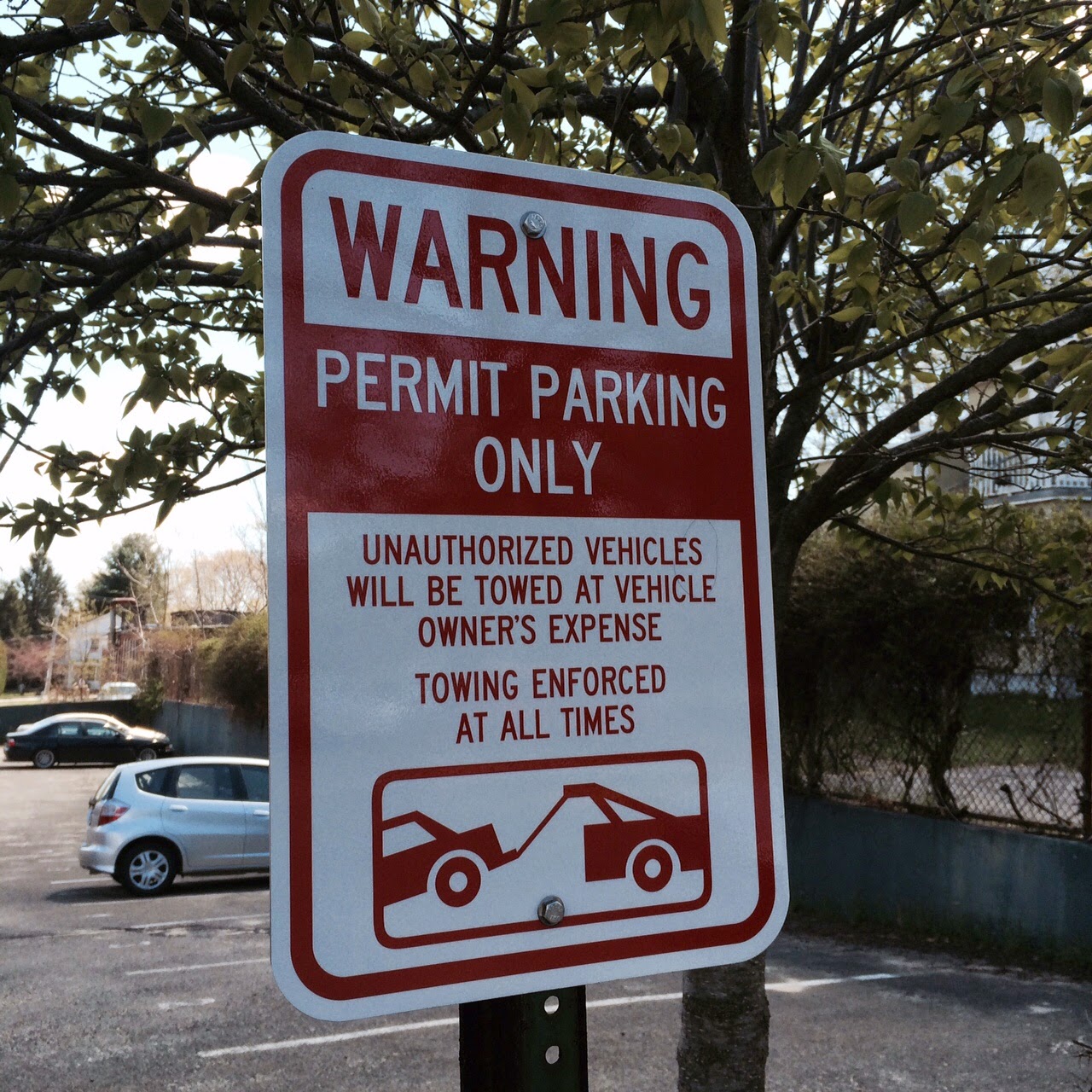
In addition to the main resident parking lot, there is a small overflow lot down the block from the building. It wasn't clearly marked, so there were unauthorized cars, vandalism to the signs, overgrown weeds and litter. As you can see from these photos, the lots looked abandoned.


With the help of one of the Board members with graphic design experience, we were able to create a new sign made of a durable PVC material. The association's landscape contractor cleaned up the weeds and litter, and then our maintenance team installed the new signage. 


 When a driver goes to pull into the lot, they now see this sign directly in front of them:

If they still aren't sure if the lot is for public parking, we also installed these standard signs at each end of the lot:


We're hoping that these changes will make this space look less like an abandoned lot and more like an extension of the complex.

Do you need a management company that cares about your property as much as you do? Contact Premier Property Management Services, LLC today! (877) 208-4570 or visit our website.


Monday, March 30, 2015

The Importance of Having Trees on Your Property


Studies have shown that residences with trees in the area can increase home values from 10% to 15% depending on the location. A study in Portland, Oregon showed increased values between $1,688 and $19,958. See the article HERE.

Benefits of trees include (other than the obvious aesthetic enhancements):

  • Improve air quality
  • Sequester carbon by absorbing carbon dioxide
  • Increase oxygen in the air through photosynthesis
  •  Reduce storm water runoff and erosion by absorbing water through the root system and deflecting rain as it falls to the ground
  • Trees cool the air through transpiration which is the releasing of water vapors through the leaves during hot weather
  • Provide shade that cools buildings and saves cooling utility expenses, especially from shade trees planted on the southern and western sides of buildings
  • Deciduous trees (those that lose their leaves each fall) provide both heating and cooling attributes because they provide shade in the summer but after they drop their leaves they allow sun light penetration onto buildings in the winter which helps in warming and reducing heating expenses
  • Well placed evergreen trees act as wind breaks which also can help reduce heating costs
  • Trees can help shade and protect pavements and other hardscapes from the degrading effects of the sun, which can help reduce replacement and maintenance costs
  • Trees can block unwanted views
  •  Recent studies have shown stress reduction, shorter healing times for people, and improved behavior in children from settings with trees
These are the positives of having trees on property, but it’s also important to maintain them properly in order to maintain their health and beauty. Risk management is also very important, as trees and branches can fail and drop to the ground causing damage to property or people – but these issues can be managed through a proper tree management program of regular tree evaluation, pruning, cabling, fertilization and pest control. A licensed arborist can help make sure the trees on your property and healthy and safe.

Questions? Contact Premier Property Management at (877) 208-4570 or visit our website.

Source: James Dean, CT Licensed Arborist, White Oak Tree & Landscape


Tuesday, March 17, 2015

Spring Maintenance Checklist for Condos and HOAs

After a long, brutal winter like the one we’ve had this year, your property may have suffered some damage and may be in need of a few repairs. With a little effort, your property can look its best and be safe for residents and visitors at the same time.


Here are some things our Managers will look for during upcoming property inspections:

Buildings: Broken/sagging gutters and downspouts, loose window frames, deteriorating
wood, concrete or brickwork, missing roof shingles, signs of water damage. Evidence of water collecting around building foundations. Evidence of clogged drains. Broken chimney caps. Siding damage including broken boards and popped nails.

Landscaping:
Fallen branches and leaves. Trees and shrubs in need of pruning. Damaged sprinkler systems. Blocked drains.


Parking Lots & Walkways: Cracked or heaved concrete. Potholes. Broken curbing. Excess sand.


Spring Maintenance Checklist

Here’s a typical checklist of things that your Manager may suggest to help get your property in shape for the coming months:
  • Repair exterior siding; patch and paint as necessary.
  • Turn on outside water and inspect system for leaks. Check sprinkler systems for broken pipes, missing or broken heads, and clogged valves.
  • Repair window and sliding glass door caulking and flashing to help prevent leaks.
  • Ensure all exhaust fans are clean and remove lint buildup from the clothes dryer vents.
  • Inspect all wood decks and fences for rot, broken boards, raised nails, loose screws, etc.
  • Prepare for pool opening: Clean and inspect the pool and poolside area for cracks and tripping hazards. Clean all pool furniture to remove dirt and mildew.
  • Do a safety check of any playground equipment.
  • Clean the clubhouse/common room.
  • Sweep the parking lots, private access roads and sidewalks.
  • Pressure wash any areas that have mildew or dirt.

Need a manager that will make sure your property stays in shape? Contact Premier Property Management, LLC today at (877) 208-4570 or online at ppmgmtonline.com